


All You Need to Know About Hair PRP Treatment


Welcome to Pravi Wellness Center, where we specialize in holistic approaches to health and beauty. Today, we're excited to introduce you to one of our most sought-after treatments:
Hair PRP (Platelet-Rich Plasma) Therapy. If you've been struggling with hair loss or thinning, this innovative procedure could be the solution you've been searching for. In this blog, we'll explore what Hair PRP Treatment is, how it works, and the incredible benefits it offers.
What is Hair PRP Treatment?
Hair PRP Treatment is a cutting-edge procedure that harnesses the power of your body's own natural healing abilities to stimulate hair growth and improve the overall health of your scalp. PRP is derived from your own blood and contains a high concentration of platelets, which are rich in growth factors that promote tissue regeneration.
How Does Hair PRP Treatment Work?
The process begins with a simple blood draw, from which we extract the PRP using a specialized centrifuge. Once the PRP is prepared, it is injected directly into the scalp at the treatment area. The growth factors in the PRP work to stimulate dormant hair follicles, encouraging them to enter the active growth phase. This leads to thicker, healthier hair over time.
Benefits of Hair PRP Treatment
Hair PRP Treatment offers a range of benefits for both men and women experiencing hair loss or thinning. Some of the key advantages include:
Natural and Safe: Since PRP is derived from your own blood, there is virtually no risk of allergic reaction or rejection.
Non-Surgical: Unlike hair transplant surgery, PRP Treatment is minimally invasive and requires no downtime.
Effective: Many patients experience noticeable improvements in hair thickness and density after just a few sessions.
Long-lasting Results: With regular maintenance treatments, the results of Hair PRP Therapy can last for months or even years.

Who is a Good Candidate for Hair PRP Treatment?
Good candidates for Hair PRP Treatment are individuals experiencing hair thinning, mild to moderate hair loss, or seeking to improve hair density and texture. They should be in good overall health with realistic expectations. PRP Therapy is suitable for both men and women looking for a non-invasive hair restoration solution.
Who Should Avoid Hair PRP Treatment?
Individuals with certain medical conditions such as blood disorders, active infections on the scalp, or those undergoing chemotherapy may not be suitable candidates for Hair PRP Treatment. Pregnant or breastfeeding women should also avoid PRP Therapy. It's essential to consult with a healthcare provider to determine eligibility.
Procedure and Recovery Process for Hair PRP Treatment
A. Preparation for Hair PRP Treatment
Before undergoing Hair PRP Treatment, it's essential to follow a few preparatory steps:
Consultation: Schedule a consultation with a qualified healthcare provider to discuss your medical history, current medications, and expectations for the treatment.
Blood Work: Your provider may order blood tests to ensure you're a suitable candidate for PRP Therapy and to assess your platelet count and overall health.
Avoid Blood Thinners: Avoid medications and supplements that thin the blood, such as aspirin, ibuprofen, and certain herbal supplements, for a specified period before the treatment.
Hydration: Drink plenty of water in the days leading up to your appointment to ensure you're well-hydrated, which can help improve the quality of your blood and enhance the effectiveness of the PRP.
B. The Hair PRP Treatment Procedure
The Hair PRP Treatment procedure typically follows these steps:
Blood Draw: A small amount of your blood is drawn from your arm, similar to a routine blood test.
PRP Preparation: The blood sample is then processed in a centrifuge machine to separate the platelet-rich plasma (PRP) from other blood components.
Anesthesia: A local anesthetic may be applied to the treatment area to minimize discomfort during the procedure.
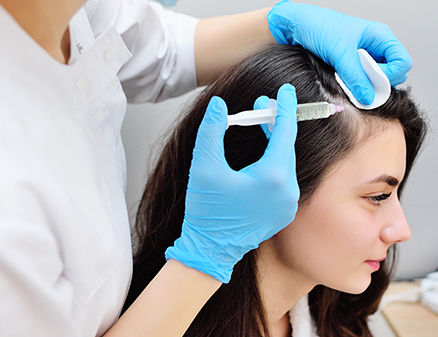
PRP Injection: Using a fine needle, the PRP is injected into the scalp at targeted areas experiencing hair thinning or loss. The injections are strategically administered to stimulate hair follicles and promote hair growth.
Massage and Cleanup: After the injections, the scalp may be gently massaged to distribute the PRP evenly. Any excess PRP is cleaned up, and the treatment area is covered with a bandage if necessary.
C. Recovery and Aftercare Tips
After undergoing Hair PRP Treatment, follow these recovery and aftercare tips for optimal results:
Avoid Touching the Scalp: Refrain from touching or scratching the treated area to prevent irritation or infection.
Gentle Hair Care: Avoid vigorous brushing, styling, or washing your hair for at least 48 hours post-treatment. Use a mild shampoo and conditioner recommended by your provider.
Sun Protection: Protect your scalp from direct sunlight by wearing a hat or applying sunscreen with a high SPF.
Stay Hydrated: Drink plenty of water to keep your body and scalp hydrated, which can aid in the healing process.
Follow-up Appointments: Schedule follow-up appointments as recommended by your provider to monitor your progress and determine if additional treatments are needed.
Potential Side Effects of Hair PRP Treatment
While Hair PRP Treatment is generally safe, there are potential side effects to consider, including:
Discomfort: Some patients may experience mild discomfort, bruising, or swelling at the injection sites, which typically resolves within a few days.
Infection: Although rare, there is a risk of infection at the injection sites. It's crucial to follow proper aftercare instructions to minimize this risk.
Allergic Reaction: In extremely rare cases, patients may have an allergic reaction to components in the PRP solution. This underscores the importance of discussing any allergies with your healthcare provider beforehand.
Safety of Hair PRP Treatment
Hair PRP Treatment is considered safe for most individuals, but certain factors may impact its safety or effectiveness:
Medical History: Patients with certain medical conditions such as blood disorders or active infections on the scalp may not be suitable candidates for PRP Therapy.
Medications: Inform your healthcare provider about any medications or supplements you're taking, as some may interfere with the treatment or increase the risk of complications.
Provider Experience: Choose a qualified and experienced healthcare provider who specializes in PRP Therapy to ensure safe and effective treatment.
Consultation and Questions to Ask Before Treatment
Before undergoing Hair PRP Treatment, it's essential to have a thorough consultation with your healthcare provider. Here are some questions to consider:
Am I a suitable candidate for Hair PRP Treatment based on my medical history and current health status?
What are the potential risks and side effects associated with PRP Therapy, and how can they be minimized?
How many treatment sessions will I need to achieve the desired results, and what is the expected timeline for seeing improvement?
Can you provide before-and-after photos or testimonials from previous patients who have undergone Hair PRP Treatment?
What is the cost of the treatment, and does it include any follow-up appointments or additional services?
What alternative hair restoration options are available, and how do they compare to PRP Therapy in terms of safety and effectiveness?
Conclusion:
In conclusion, hair PRP treatment is a safe and effective option for individuals looking to improve hair growth and thickness. By understanding the procedure, expectations, and recovery process, you can make an informed decision about whether hair PRP treatment is right for you.
FAQs:
How many sessions of hair PRP treatment are typically needed?
The number of sessions needed for Hair PRP Treatment can vary depending on the individual's specific condition, severity of hair loss, and desired results. However, most patients undergo a series of treatments spaced several weeks apart, with an initial series of 3 to 4 sessions often recommended. Maintenance sessions may be required every 6 to 12 months to sustain the results over time.
Is hair PRP treatment suitable for all types of hair loss?
Hair PRP Treatment is most effective for individuals experiencing mild to moderate hair loss or thinning, particularly in cases of androgenetic alopecia (genetic hair loss) or telogen effluvium (temporary shedding). It may not be as effective for advanced stages of hair loss or conditions that have caused permanent damage to the hair follicles. Consulting with a qualified healthcare provider can help determine if PRP Therapy is suitable for your specific type of hair loss.
What is the cost of hair PRP treatment and is it covered by insurance?
The cost of Hair PRP Treatment can vary depending on factors such as the provider's location, expertise, and the number of sessions required. On average, each session can range from a few hundred to a few thousand dollars. Since PRP Therapy for hair loss is considered a cosmetic procedure, it is typically not covered by insurance. However, some providers may offer financing options or package deals to make the treatment more affordable for patients.


Comments