


Acne Treatment: Effective Ways to Achieve Clear Skin

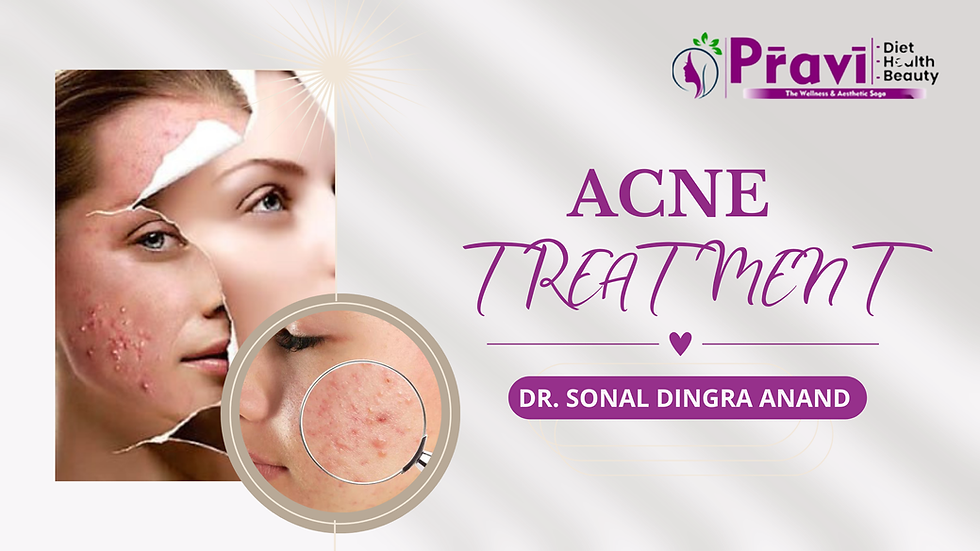
Acne is a common skin condition that affects millions of people worldwide. It can be frustrating and can impact self-esteem, but the good news is that there are effective acne treatments available. Understanding the different types of treatments and how they work can help you achieve clear, healthy skin.
Understanding Acne
Acne occurs when hair follicles become clogged with oil and dead skin cells. This can result in blackheads, whiteheads, pimples, and cysts. Factors such as hormones, diet, stress, and genetics can contribute to acne development. While it is most common among teenagers, it can affect people of all ages.
Types of Acne Treatments
There are various acne treatments available, ranging from over-the-counter products to prescription medications. Here, we will explore some of the most effective options.
1. Topical Treatments
Over-the-Counter Products: Many acne treatments are available without a prescription. Look for products containing benzoyl peroxide, salicylic acid, or alpha hydroxy acids. These ingredients help to reduce inflammation, unclog pores, and kill acne-causing bacteria.
Prescription Topicals: For more severe acne, a dermatologist might prescribe stronger topical treatments. These can include retinoids, which promote cell turnover and prevent clogged pores, and antibiotics, which reduce bacteria and inflammation.
2. Oral Medications
Antibiotics: Oral antibiotics can be prescribed for moderate to severe acne. They work by reducing bacteria and inflammation. However, they are typically used for a short period to prevent antibiotic resistance.
Birth Control Pills: For women, certain birth control pills can be effective in managing acne. They help regulate hormones that can trigger acne outbreaks.
Isotretinoin: Isotretinoin, formerly known as Accutane, is a powerful oral medication used for severe cystic acne. It significantly reduces oil production and has long-term benefits, but it comes with potential side effects and requires close monitoring by a dermatologist.
3. Professional Treatments
Chemical Peels: Chemical peels involve applying a chemical solution to the skin, which causes the top layer to peel off. This can reduce the appearance of acne scars and promote the growth of new, healthy skin.
Laser and Light Therapy: Laser and light therapies can target the bacteria that cause acne and reduce inflammation. These treatments can be particularly effective for persistent acne that hasn’t responded to other treatments.
Extraction Procedures: For certain types of acne, such as blackheads and whiteheads, a dermatologist may perform extraction procedures. This involves physically removing the clogged material from the pores.
Natural and Home Remedies
While professional treatments are often the most effective, some natural and home remedies can complement your acne treatment plan.
Tea Tree Oil: Tea tree oil has natural antibacterial properties. Dilute it with a carrier oil and apply it to affected areas to help reduce acne.
Aloe Vera: Aloe vera has soothing and anti-inflammatory properties. Applying pure aloe vera gel to the skin can help reduce redness and promote healing.
Honey and Cinnamon Mask: Honey and cinnamon both have antibacterial properties. Mixing them into a mask and applying it to the face can help reduce acne and improve skin texture.
Lifestyle Changes for Clearer Skin
In addition to specific acne treatments, certain lifestyle changes can help improve your skin health.
Healthy Diet: Eating a balanced diet rich in fruits, vegetables, and whole grains can benefit your skin. Avoiding high-sugar and high-fat foods can also help reduce acne.
Regular Exercise: Exercise improves blood flow and helps regulate hormones, which can contribute to clearer skin. Just be sure to shower promptly after sweating to avoid clogged pores.
Proper Skincare Routine: A consistent skincare routine is crucial. Cleanse your face twice a day with a gentle cleanser, use non-comedogenic products, and moisturize daily.
Stress Management: Stress can exacerbate acne. Practicing stress management techniques such as yoga, meditation, and deep breathing can help keep acne under control.
When to See a Dermatologist
If over-the-counter products and home remedies aren’t effective, it might be time to see a dermatologist. A dermatologist can assess your skin and recommend a personalized acne treatment plan. They can also provide access to prescription medications and professional treatments that aren’t available over the counter.
Conclusion
Acne can be challenging, but with the right acne treatment, achieving clear, healthy skin is possible. Whether you opt for over-the-counter products, prescription medications, or professional treatments, consistency is key. Remember to combine these treatments with a healthy lifestyle and proper skincare routine for the best results.
For more information and personalized acne treatment plans, visit Pravi Wellness Center.
By Dr. Sonal Dhingra Anand
Frequently Asked Questions (FAQ)
What is the most effective acne treatment?
The most effective acne treatment varies depending on the type and severity of your acne. For mild acne, over-the-counter products containing benzoyl peroxide or salicylic acid can be effective. Moderate to severe acne may require prescription treatments like retinoids, antibiotics, or even isotretinoin. Professional treatments such as chemical peels, laser therapy, and extractions can also be highly effective. Consulting a dermatologist can help you determine the best treatment plan for your specific needs.
Are there any side effects of acne treatments?
Yes, some acne treatments can have side effects. Over-the-counter topical treatments may cause dryness, redness, or irritation. Prescription medications like retinoids can increase skin sensitivity to the sun, and oral antibiotics can sometimes lead to gastrointestinal issues or antibiotic resistance. Isotretinoin, a powerful oral medication, can cause serious side effects such as dry skin, joint pain, and increased cholesterol levels. It’s important to discuss potential side effects with your dermatologist and follow their guidance to minimize risks.
Can lifestyle changes really improve acne?
Yes, lifestyle changes can significantly improve acne. A healthy diet rich in fruits, vegetables, and whole grains can help reduce acne, while avoiding high-sugar and high-fat foods may prevent breakouts. Regular exercise promotes good blood circulation and hormone regulation, which can benefit your skin. Additionally, a consistent skincare routine, managing stress, and ensuring adequate sleep can all contribute to clearer skin. While lifestyle changes alone may not completely eliminate acne, they can enhance the effectiveness of other treatments.


Comments